

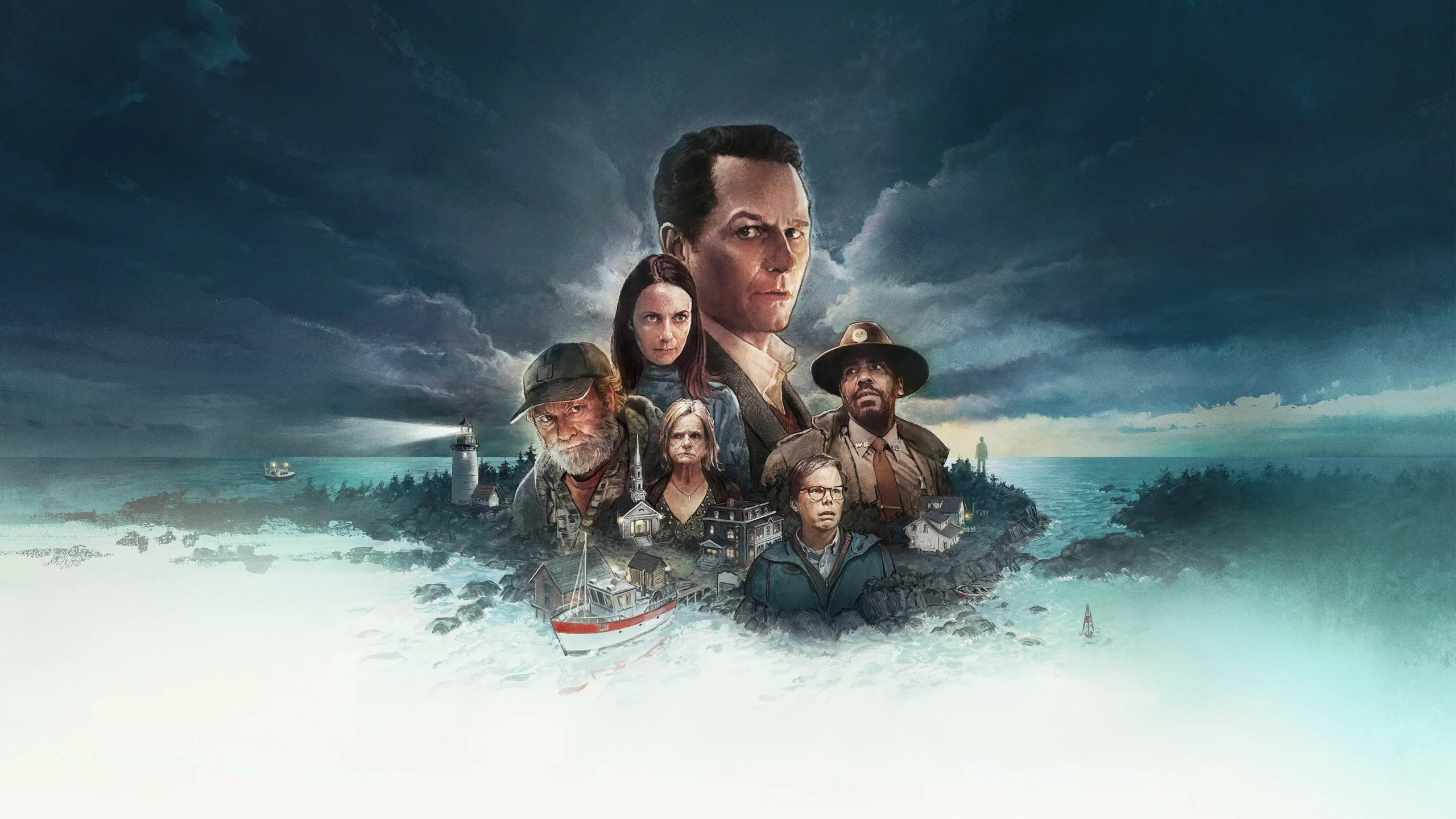
Widow’s Bay (2026, Exec. Producer Katie Dippold):
It’s a very tricky tonal balance with comedy and horror because it’s very easy to do it wrong. It is very important to us to have the comedy never undercut the horror tension, and also make sure the characters always behave and act like this is happening and this is terrifying and not ever treating it lightly.
Katie Dippold
Playing with genre is no small challenge. When it works (Buffy the Vampire Slayer‘s intermingling of teen drama and supernatural super-heroism comes to mind), a genre mashup brings surprises and fresh nuances. When it doesn’t, the results can be disastrous. Horror-comedies are particularly hard to sustain; the best ones tend to be self-contained features like Evil Dead or Shaun of the Dead, where neither the comedy nor the horror outstay their welcome. Stretching the chills and laughs over the course of a multi-episode run is a more daunting proposition, which is why Apple TV’s Widow’s Bay qualifies as a minor miracle. The brainchild of Parks and Recreation co-producer Katie Dippold, the show piles horror tropes atop a sit-com scenario (a harried bureaucrat struggling to revitalize a failing tourist destination) and runs wild with the resulting chaos.
Tom Loftis (Matthew Rhys), the beleaguered mayor of Widow’s Bay, has the usual small-town headaches—cantankerous locals, a cratering economy, useless colleagues—but that doesn’t compare to the island’s hidden terrors, which include (but aren’t limited to) a haunted hotel, creatures lurking in thick fog, deadly grimoires, an indestructible masked boogeyman, found films and videos that portend doom, and folk curses that date to colonial times. Just from that list alone, one can discern the outlines of Jaws, Evil Dead, Halloween, The Witch, and Japanese new wave horror, as well as the looming shadow of Stephen King (The Shining, It, and The Mist). Indeed, one can imagine King conjuring up the setting whilst in a playful mood.
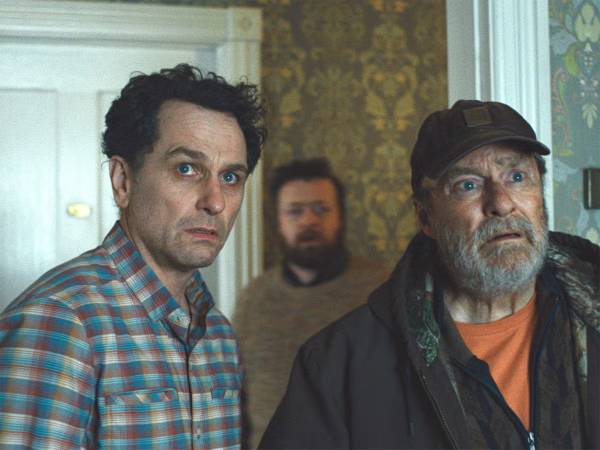
Wyck: “The Fog That Stole Souls.” Stage one, the eyes turn white. Stage two, loss of the five senses and delirium. Stage three, loss of erection. Stage four…
Patricia: Who the hell is trying after stage two?
If Widow’s Bay was just the sum of its tropes, it could still be enjoyed as an entertaining if derivative encyclopedia of horrors, but true to her Parks and Recreation roots, Lippold transforms the show into an absurdist comedy whenever it’s not scaring the bejesus out of you. The inhabitants of Widow’s Bay may share certain eccentricities with the residents of a Twin Peaks or Cicely, Alaska, but who wouldn’t be a little eccentric if you couldn’t leave the island (for reasons that are gradually explained) and are at the mercy of very real monsters? Tonal whiplash is the order of the day. One moment Tom’s aide Patricia (a hilariously morose Kate O’Flynn) kvetches about a local cook who never gets her take-out orders right; the next, she’s fleeing a Michael Myers-like killer. Tom might have everyday problems like a rebellious son he struggles to relate to (Kingston Rumi Southwick), but come nightfall, he’ll be trading “fuck you”s with the town’s very undead 300-year-old founder (Hamish Linklater) when he’s not dodging a succubus sea hag or a killer clown.
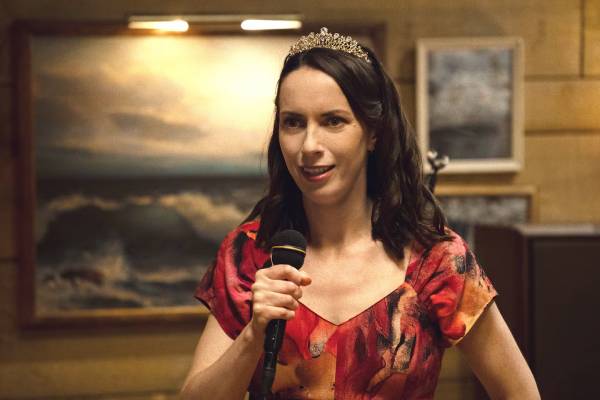
Much like the stormy seas around Widow’s Bay, the show isn’t always smooth sailing. The first few episodes lean hard on workplace comedy, with Rhys going bug-eyed and blustery, every pulled face and nervous giggle close to caricature. But as the island’s terrors escalate, so does the subtlety of his performance, even as he finds himself in ever-zanier situations: high on shrooms during a town hall meeting, pinned underneath a fallen portrait while his co-workers bicker over how to free him. Stephen Root’s local doomsayer Wyck follows a similar arc, coming off as the saltiest old salt ever before regret and desperation begin seeping through his sourpuss demeanor. Root bellows and Rhys blunders to good comic effect, but best of all is O’Flynn, whose Patricia is the show’s spirit animal: emotionally battered, off-kilter, nerdy and steely in equal measure. She’s what you would expect the prototypical Final Girl from a horror movie to be, if she grew up to become a PTSD-addled oddball. She’s never better than in the season’s finest episode “Beach Reads,” in which her naked need for social acceptance compels her to throw a party that whips itself into an intoxicating whirligig of embarrassment, exhilaration, and sheer panic.
Dippold and series director Hiro Murai (known for his own genre-bending work on Atlanta, Station Eleven and The Bear) pull off a creditable juggling act with these conflicting tones, giving the absurdity and horror even footing. Their take on the material is decidedly post-modern: the characters know all too well what game they’re playing (Patricia, in one of the season’s funniest bits, holds what appears to be a dead serial killer at rifle-point, accompanying him from ambulance to morgue to incinerator, just to be sure). Even the most straight-faced episode (“Our History,” in which we learn about the island’s cursed colonial past) comes with giggly deadpan humor, as when a terrified wife (Betty Gilpin) enlists an assassin to murder her husband, only to be forced to point out her husband sleeping next to her when the would-be assassin is about to bludgeon her by mistake. Yet all the knowing winks don’t lessen the impact when the chills and frights kick in, and Murai and the other guest directors (including Ti West of X and Pearl fame) apply just the right amount of flash and grit to these moments.
The season’s back half gets a touch overstuffed with twists, and the finale leaves just about every story thread dangling; answers presumably await Season 2. But the show never loses sight of the prime ingredient that drives good storytelling, regardless of genre: engaging characters. We may laugh at Tom and Patricia’s expense as they’re put through the typical horror paces, but in their clumsy struggles to surmount their personal tragedies and do the right thing, even if the right thing involves drowning a zombie or murdering an adorable matron who may be the unwitting cause of every calamity on the island, they earn our support. With all the laughs and shocks, there’s something genuinely wounded and human at the show’s center, and when Tom is confronted with a terrible choice by season’s end, all the postmodern jokes give way to true pathos. Here’s hoping Widow’s Bay keeps finding similar surprises in future seasons. ■
